Categories
Blog

Five Medieval Objects That Reveal Extraordinary Stories from Kilkenny’s Past

What can a toy soldier, a pilgrim’s shell or a centuries-old letter tell us about life in medieval Ireland?

At the Medieval Mile Museum in Kilkenny, every object has a story to tell. More than just archaeological artefacts, these remarkable discoveries reveal the lives, beliefs, ambitions and everyday experiences of the people who once called medieval Kilkenny home.

Here are five fascinating medieval objects that bring history to life.

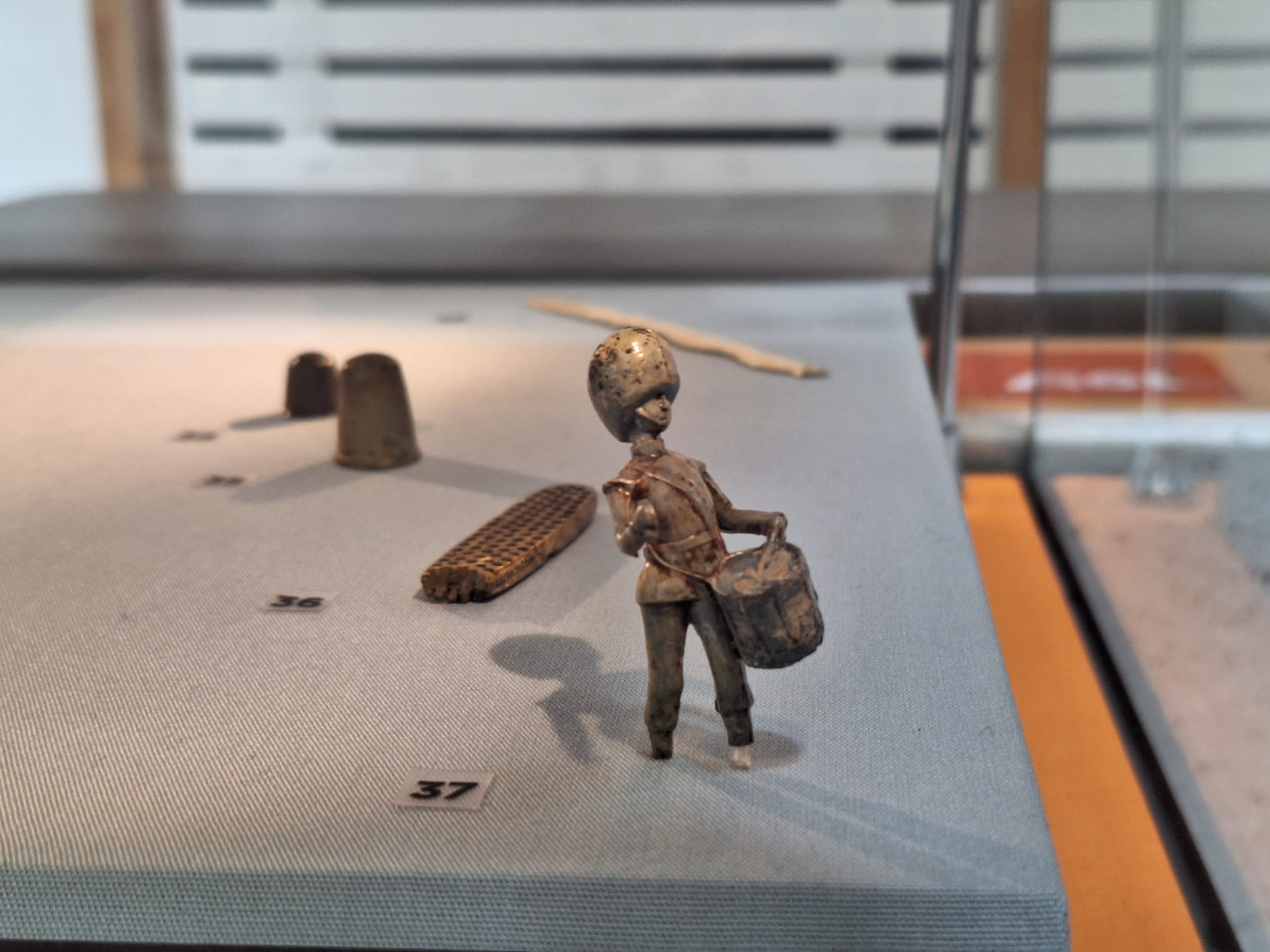
1 – The Little Lead Soldier: A Glimpse into Medieval Childhood

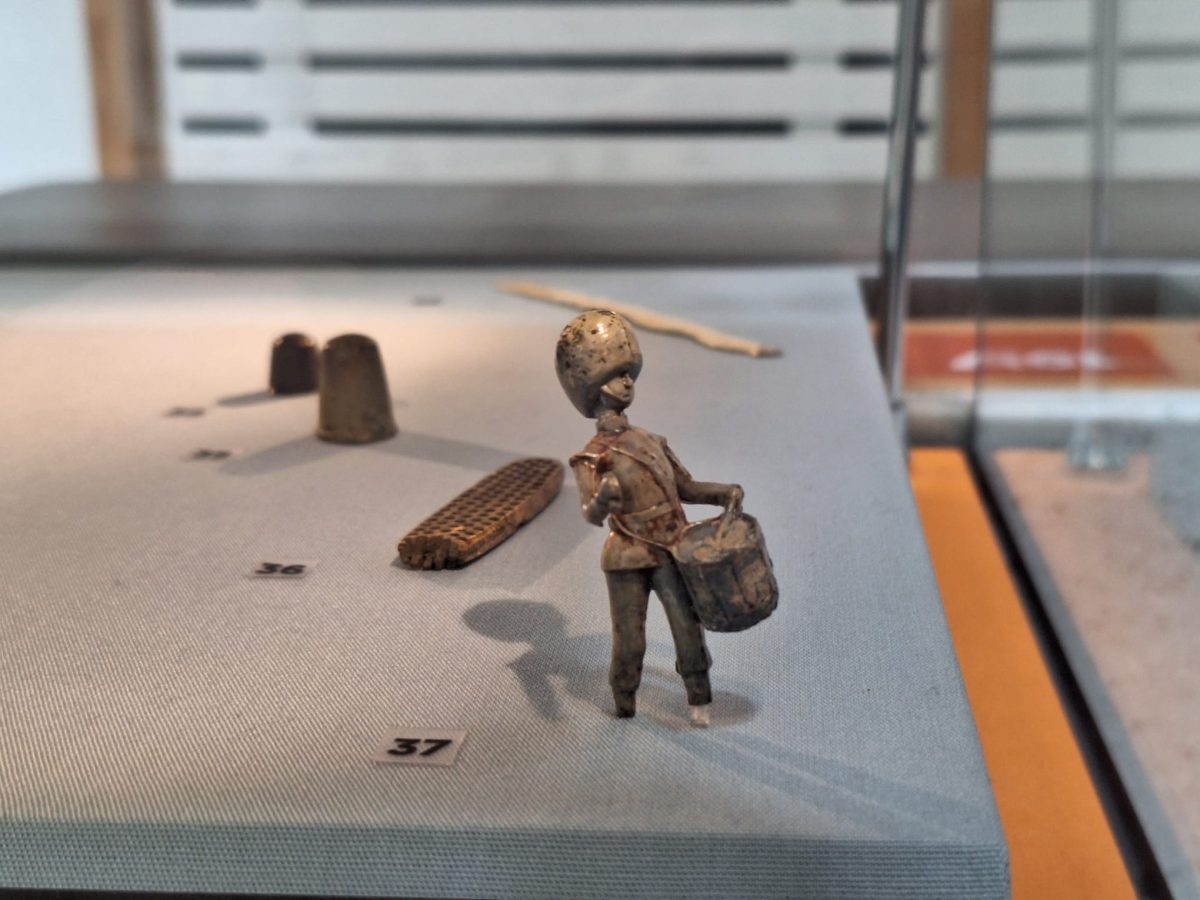
It’s easy to imagine children in the Middle Ages living very different lives from those of children today. Yet this small lead soldier reminds us that some things never change.

This simple toy would once have belonged to a child, offering entertainment while also reflecting the military world that surrounded medieval society. It provides a rare insight into childhood, play and even the clothing and armour worn hundreds of years ago.
 

2 – William and Margaret Goer’s Tombstone: A Story of Mystery

Some artefacts answer questions, while others create new ones.

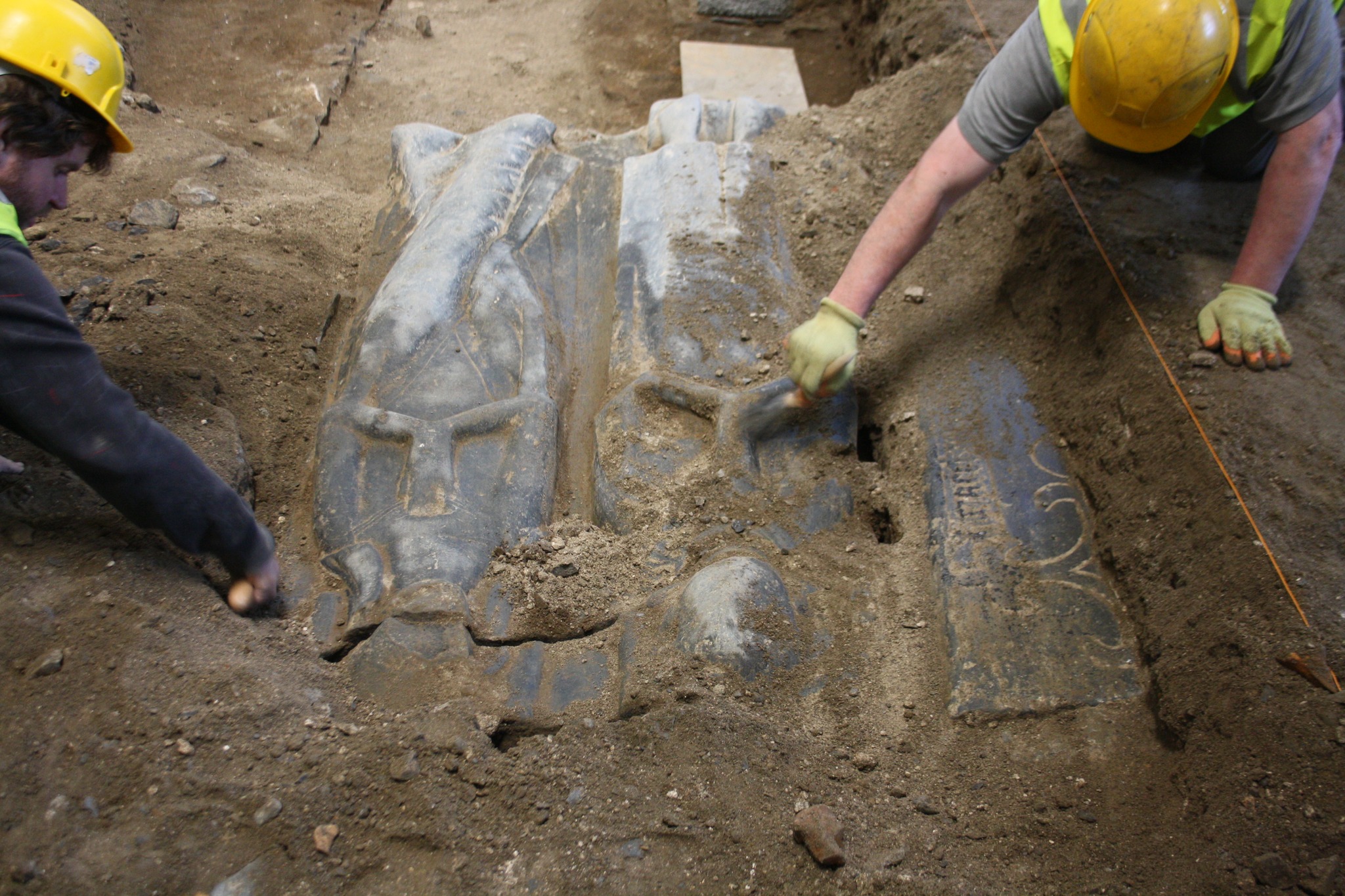
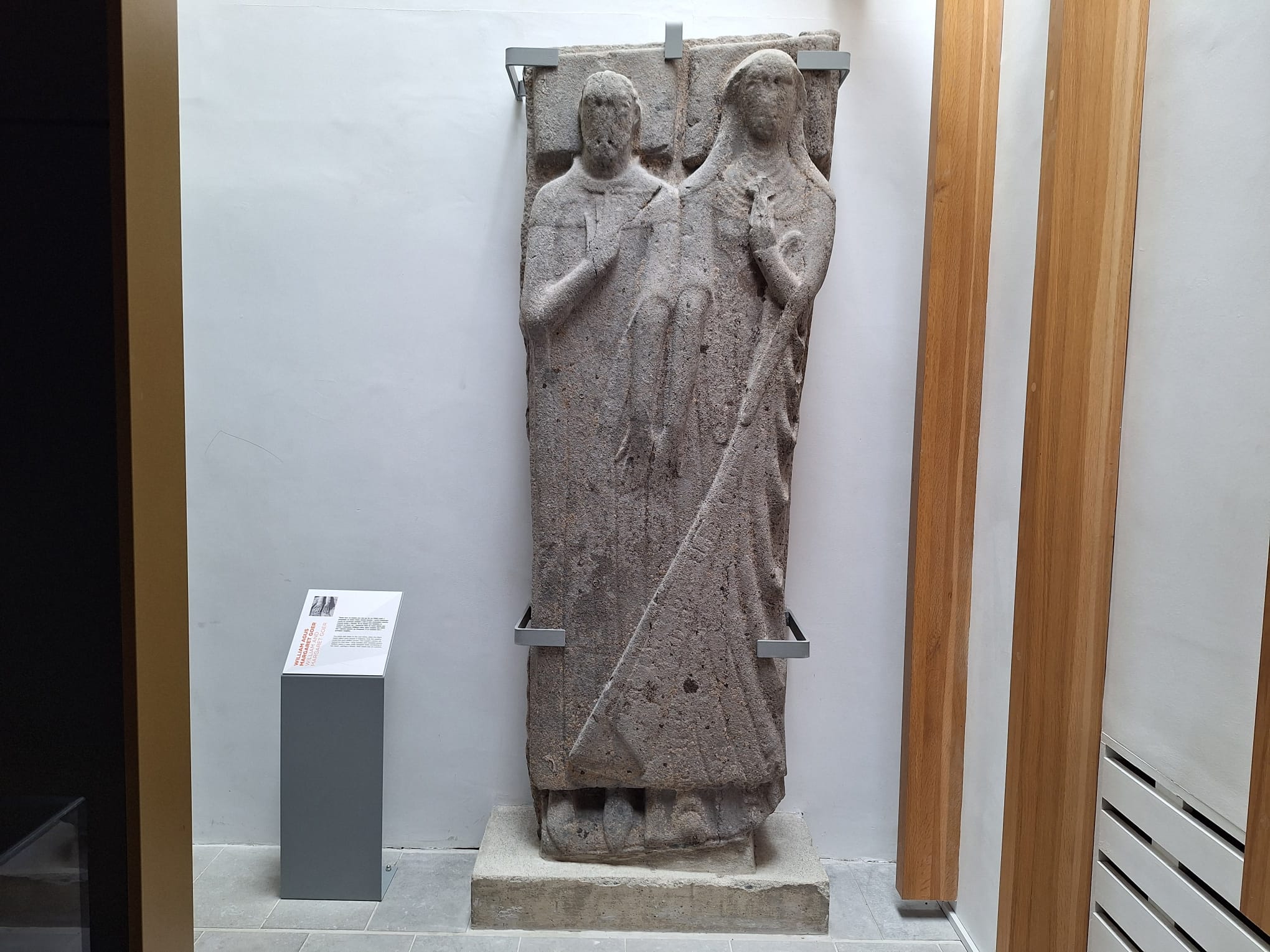
The tombstone of William and Margaret Goer is filled with intriguing clues. Although we know they were wealthy enough to commission an elaborate memorial, unfinished details suggest their monument may have been completed in haste.

Could plague or sudden illness have interrupted the work? While historians cannot say for certain, the evidence offers a fascinating glimpse into life and death in medieval Kilkenny.

The intricate carvings also reveal details about fashion, wealth, and social status, with Margaret’s beautifully depicted gown reflecting the family’s prosperity.
 

3 – A Political Scandal Preserved in a Letter

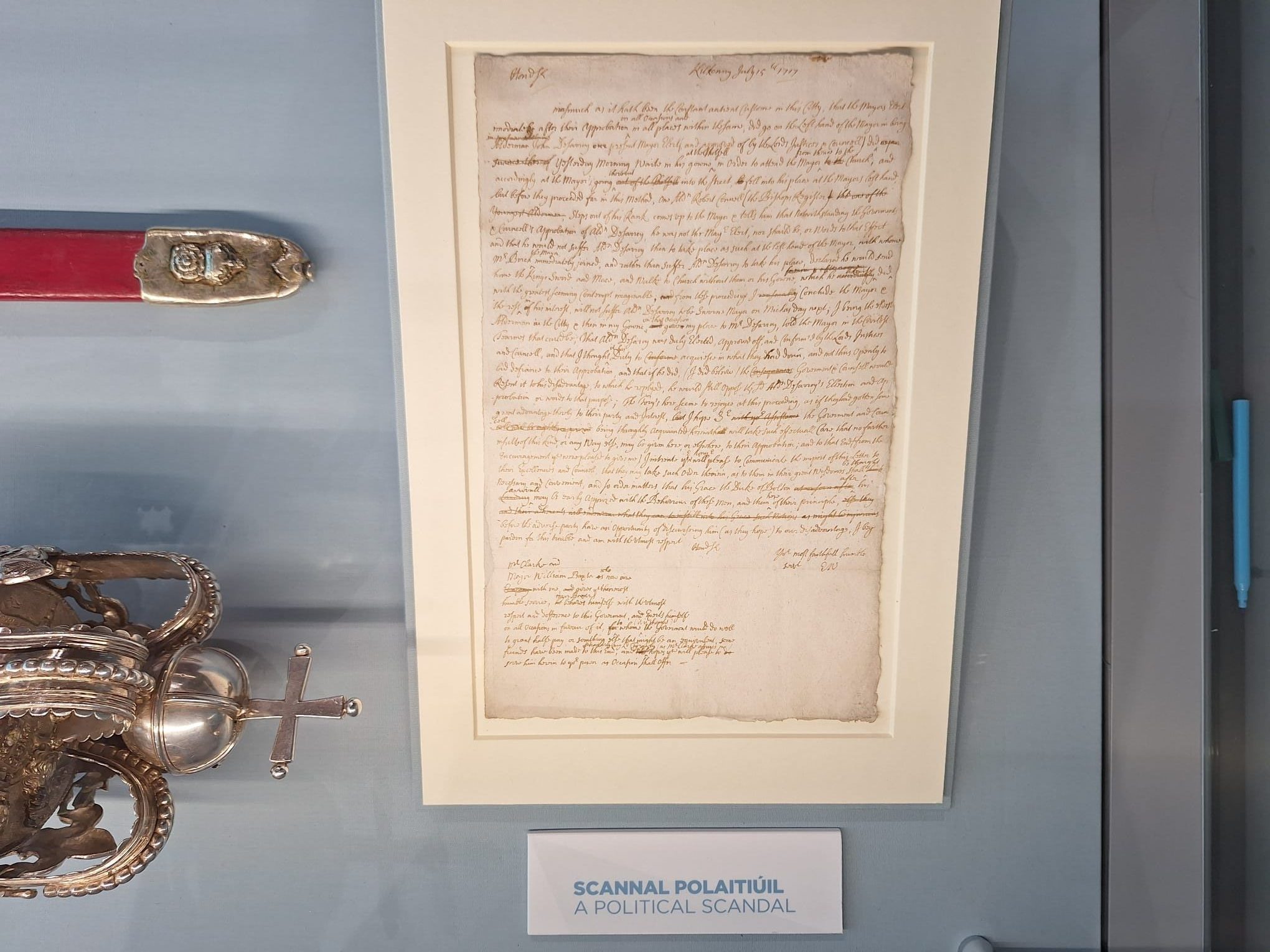
Long before newspapers and social media, political scandals could still change lives.

One remarkable letter preserved at the Medieval Mile Museum records a political controversy that threatened some of Kilkenny’s most influential citizens. It captures a specific moment in history, reminding us that power, reputation and public opinion have always mattered.

For historians, documents like this are invaluable windows into medieval politics and daily life.
political scandal


4 – The Pilgrim’s Shell: Faith and the Journey to Santiago

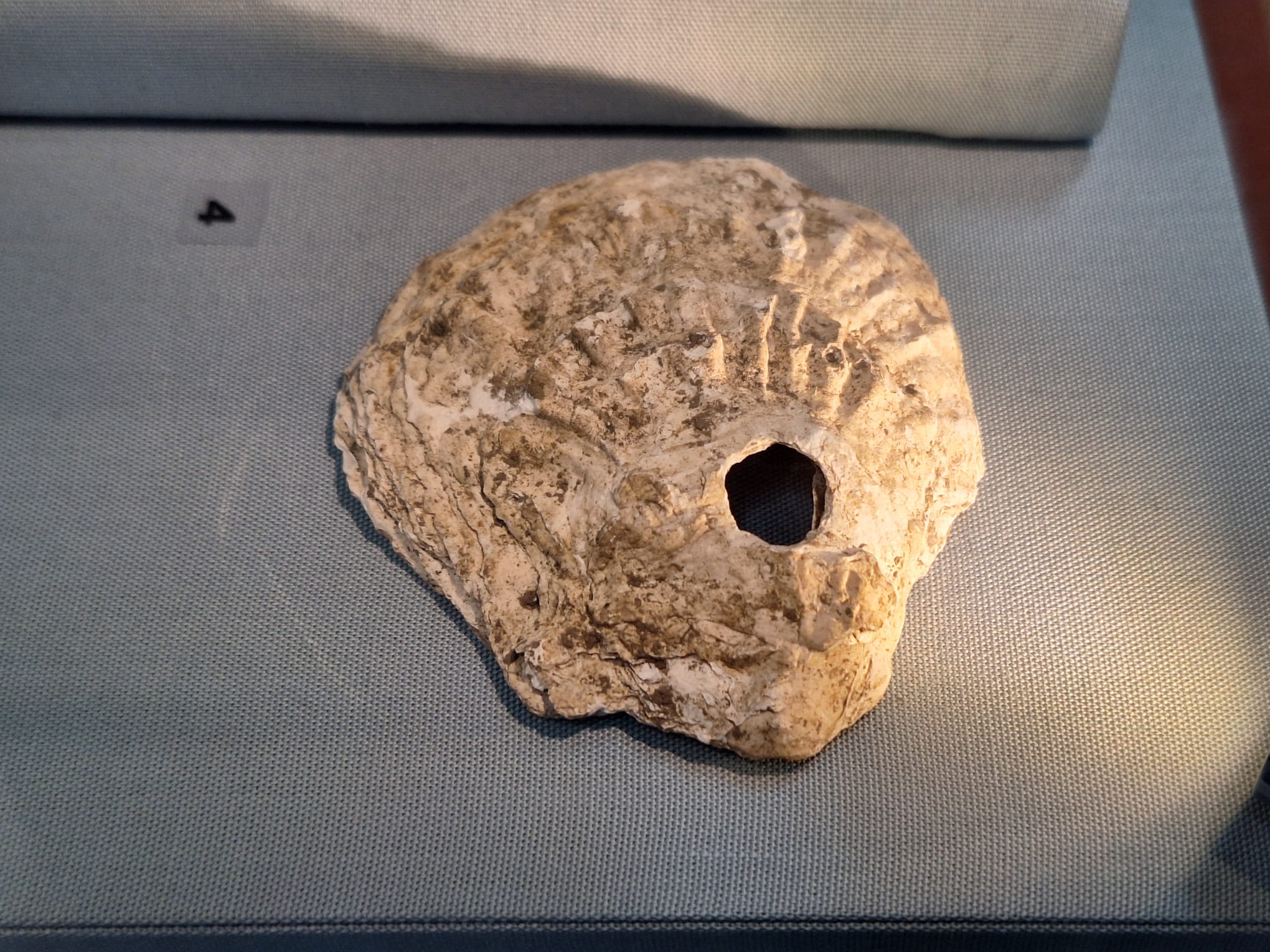
One small shell tells the story of an extraordinary journey. Pilgrim shells were symbols of those who travelled to Santiago de Compostela, one of medieval Europe’s most important pilgrimage destinations. Completing such a journey required significant time, money and dedication.

For many medieval Christians, pilgrimage was believed to strengthen faith and reduce time spent in Purgatory. This modest object represents devotion, hope and the spiritual journeys undertaken by people centuries ago.
 

5 – Portuguese Azulejo Tiles: Evidence of Medieval Trade

Not every story begins in Kilkenny. Beautiful Portuguese azulejo tiles found within St Mary’s Church demonstrate the city’s connections with Europe. Imported luxury goods like these reflected both wealth and international trade, showing that medieval Kilkenny was far more connected to the wider world than many people imagine.

These colourful tiles remind us that merchants, ideas and craftsmanship travelled across Europe long before modern transport.
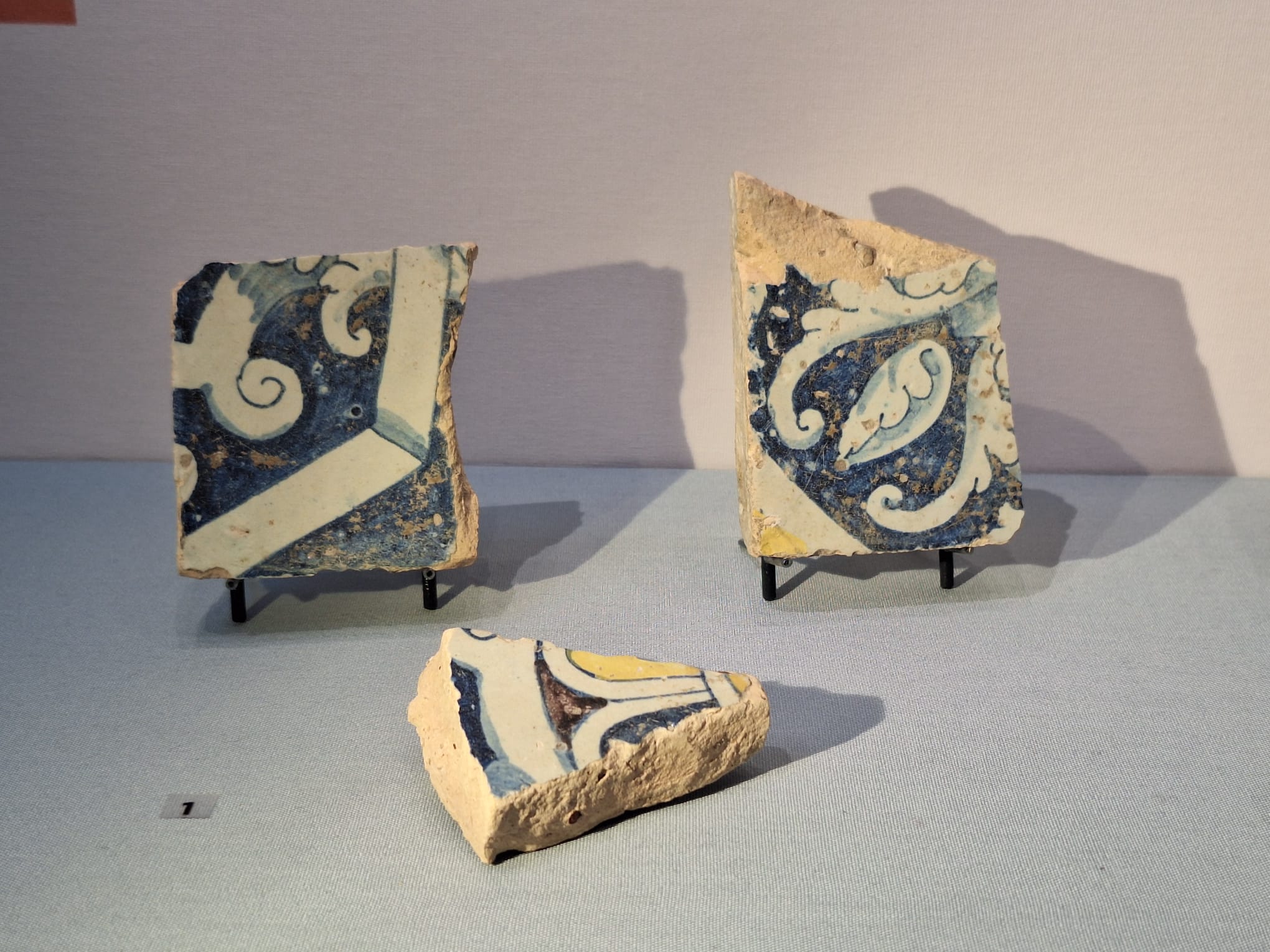
azulis tiles


Discover the Stories Behind the Objects

Every artefact at the Medieval Mile Museum tells a human story. Together, they reveal how people lived, worked, travelled, worshipped and celebrated in medieval Kilkenny.

Whether you’re interested in archaeology, Irish history, medieval life or unique things to do in Kilkenny, the Medieval Mile Museum offers an unforgettable journey through centuries of remarkable stories waiting to be discovered.

Plan your visit today and uncover the people behind the objects that shaped Kilkenny’s past.


Discover more about Medieval Kilkenny through our
guided tours, immersive exhibits, and special events.

Click here to book your visit today.

For more info
Visit: museumofmedievalkilkenny.ie
Call: 056 781 7022 | Email: info@medievalmilemuseum.ie
Categories
Blog

Who Is Buried at St Mary’s Church, Kilkenny?

Discover the Merchants, Bishops and Families Beneath the Medieval Mile Museum

When you step inside the Medieval Mile Museum, you’re not just visiting one of Kilkenny’s top attractions, you’re walking above centuries of history.

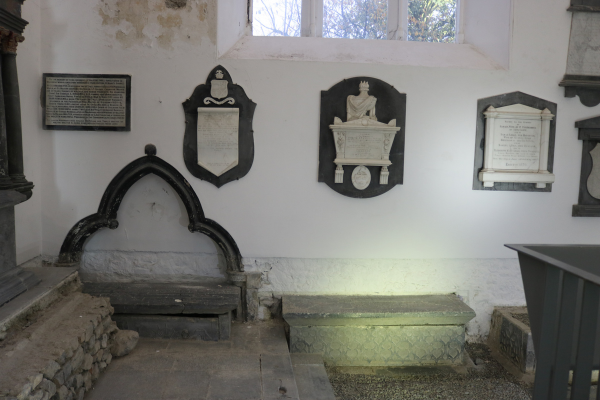
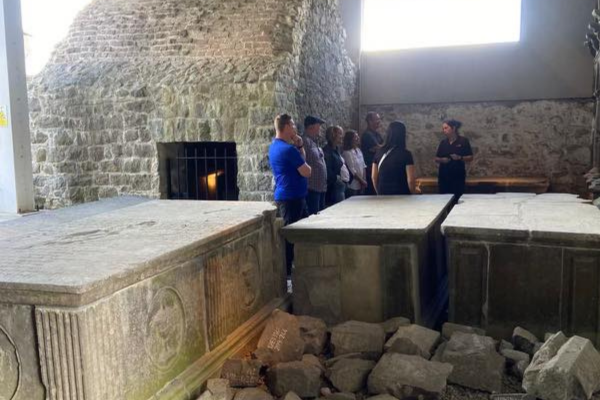
Hidden beneath the floor of the former St Mary’s Church lie the final resting places of some of Kilkenny’s most influential merchants, bishops and families. Their stories reveal how wealth, faith and status shaped medieval life and death in Ireland.


Who is buried beneath St Mary’s Church?

For centuries, St Mary’s Church was one of the most important places of worship in medieval Kilkenny. It also became the burial place for many of the city’s most prominent families.

Among those buried here are members of the Archer, Shee, Rothe, Butler, Knaresborough, Bryan, Archdekin, Ragget, Langton, Cowley, Lee and Lawless families. Many of Kilkenny’s famous “Ten Civic Families” have relatives buried within the church, reflecting their importance in the city’s political, commercial and religious life.

Today, visitors to the Medieval Mile Museum can discover beautifully carved tombs, historic memorials and remarkable stories that connect modern Kilkenny with its medieval past.

Why were people buried inside churches?

During the Middle Ages, burial inside a church was considered a great privilege. People believed that being buried within the church, surrounded by prayers and religious services, could shorten the time their soul spent in Purgatory. Wealthy families often paid for prayers to be said after their death, believing these prayers would help them reach Heaven more quickly.

This belief made burial inside St Mary’s Church one of the highest honours available in medieval Kilkenny.

st marys, kilkenny

Rich and poor: What did medieval burials look like?

Burial customs often reflected a person’s wealth and social standing. Members of Kilkenny’s wealthy merchant families were frequently buried in fine clothing and sometimes with personal possessions such as crosses, jewellery or other treasured items. Some were laid to rest in elaborate tombs or even lead coffins.

For poorer members of society, burials were much simpler. Many were wrapped in linen shrouds rather than placed in coffins, leaving behind only small traces such as copper pins discovered by archaeologists.

These discoveries provide fascinating insights into everyday life in medieval Ireland and help historians understand how people lived and died hundreds of years ago.

st marys graveyard

The hidden meanings carved into medieval tombs

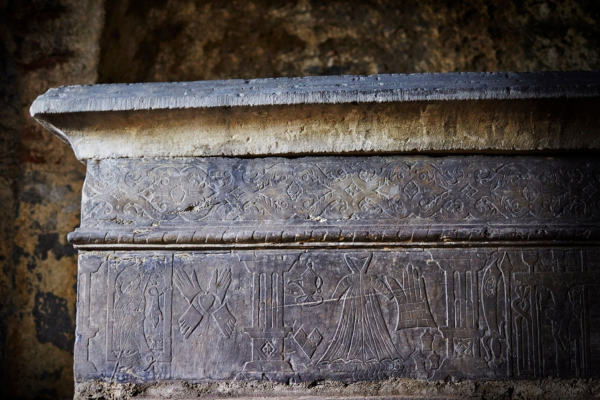
The tombs inside St Mary’s Church tell stories through their carvings as well as their inscriptions. Many feature traditional Christian symbols, while others reveal how medieval Europeans viewed the world around them. One remarkable example is found on the Bryan family tombs, where different styles of swords reflect changing historical events and beliefs across the centuries.

Every carving offers another clue to the lives, faith and ambitions of the people buried beneath the church floor.

lawless tomb

Discover Kilkenny’s hidden history

The Medieval Mile Museum offers visitors a unique opportunity to explore one of Ireland’s most significant medieval churches while uncovering the stories of the people who shaped Kilkenny’s history.

Whether you’re fascinated by medieval Ireland, genealogy, archaeology or local history, a visit to the Medieval Mile Museum reveals centuries of remarkable stories waiting beneath your feet.

Book your ticket here

Plan your visit today and experience one of Kilkenny’s most fascinating historical attractions.

Discover more about Medieval Kilkenny through our
guided tours, immersive exhibits, and special events.

Click here to book your visit today.

For more info
Visit: museumofmedievalkilkenny.ie
Call: 056 781 7022 | Email: info@medievalmilemuseum.ie